Quality control for
modified atmosphere packaging
Ensure packaging integrity, gas composition, and
product quality to provide safe food.
Where modified atmosphere packaging fails
Prevent spoilage, reduce waste, and ensure consistent product quality
Undetected leaks and contamination risks
Leaks allow oxygen ingress and compromise modified atmosphere packaging.
- Reduced shelf life
- Food spoilage
- Increased waste
- pLearn more
Incorrect gas composition in packaging
Gas imbalance leads to inconsistent product quality.
- Shortened shelf life
- Product variability
- Reduced freshness
- pLearn more
Limited quality control in production
Sampling methods fail to detect defects consistently, risking product safety.
- Undetected leaks
- Process variations
- Inconsistent output
- Product safety at risk
- pLearn more
Destructive MAP testing creates waste
Opening or destroying packages for testing leads to product loss.
- Increased costs
- Limited inspection coverage
- Inefficient workflows
- Unnecessary polution
- pLearn more
Methods for testing modified atmosphere packaging
From destructive testing to non-destructive MAP analysis
Gas Chromatography (GC)
A highly accurate laboratory method used to separate and quantify gases in food packaging.
- Very precise and widely accepted reference method
- Capable of analyzing multiple gases in detail
- Requires sample extraction and lab setup
- Slow turnaround, not suited for production environments
Needle-Based Gas Analyzers
A simple and common technique where gas is extracted from the package using a needle.
- Easy to use and relatively low cost
- Widely implemented for routine quality checks
- Destructive method that damages the package
- Risk of leaks, operator variation, and inconsistent results
Pressure Decay Testing
An indirect method that detects leaks by measuring pressure changes in the package.
- Effective for identifying seal integrity issues
- Non-destructive and suitable for certain packaging formats
- Does not measure actual gas composition
- Limited relevance for validating modified atmosphere conditions
Laser-Based Headspace Analysis
An advanced optical method that measures gas concentration inside sealed packages using laser spectroscopy.
- Non-destructive measurement through intact packaging
- Rapid results suitable for inline and high-speed production
- High accuracy and repeatability without manual handling
- No consumables or need for gas extraction
Modified atmosphere packaging testing has traditionally relied on destructive methods and sampling.
Today, non-destructive testing and laser-based headspace analysis enable continuous quality control without opening packages..
Non-destructive testing for modified atmosphere packaging
Ensure product quality without compromising packaging integrity. Non-destructive testing methods allow you to verify gas composition inside sealed MAP products in real time, eliminating waste while enabling higher sampling rates and more reliable quality control.
Limitations of destructive MAP testing
Many commonly used MAP testing methods rely on opening packages or indirect detection techniques.
This creates limitations:
- NProduct waste due to destructive sampling
- NLimited sampling frequency reduces overall quality assurance
- NIndirect methods fail to reflect actual gas composition
- NInability to perform real-time or in-line measurements
The advantage of non-destructive testing
Non-destructive methods enable direct, repeatable measurement without opening the package.
- NPreserves product integrity and eliminates unnecessary waste
- NEnables higher sampling rates or full inspection
- NDelivers consistent, operator-independent results
- NAllows real-time measurements directly on the production line
- NProvides accurate insight into actual headspace gas composition
From leak detection to laser-based gas analysis
- Destructive
- Indirect detection
- Limited repeatability
- Snapshot testing
- Non-destructive
- Direct gas measurement
- Repeatable and reliable results
- Continuous & scalable quality control
Applications of MAP testing across food categories
Different food products require precise control of gas composition to maintain quality, safety, and shelf life. From fresh meat to ready meals, reliable headspace analysis ensures that modified atmosphere packaging performs as intended across varying product types and production conditions.
Meat & Fresh products
Control oxygen levels to preserve colour, freshness, and shelf life
- Maintain optimal O₂ and CO₂ balance for different meat types
- Support both high oxygen and low oxygen MAP strategies
- Prevent premature spoilage and discoloration
- Ensure consistency across batches and production lines
Dairy & Cheese
Protect product quality by stabilising internal atmosphere
- Prevent unwanted mold growth and oxidation
- Maintain flavor, texture, and appearance over time
- Verify gas composition in sensitive dairy products
- Ensure consistent packaging performance across formats
Fresh produce and bakery
Manage respiration and moisture to extend shelf life
- Balance O₂ and CO₂ to control respiration rates
- Reduce risk of condensation and microbial growth
- Preserve texture, freshness, and visual appeal
- Adapt MAP conditions to different product requirements
Ready meals and seafood
Safeguard quality in complex and highly perishable products
- Maintain protective atmospheres for mixed-component meals
- Reduce microbial growth and spoilage in seafood
- Ensure correct gas levels throughout shelf life
- Support high-throughput production with consistent quality
Food safety standards and compliance
Ensure compliance with global food safety regulations through reliable headspace verification
Accurate control of gas composition is critical for meeting food safety standards and regulatory requirements. Headspace analysis supports documented quality assurance processes and helps manufacturers demonstrate compliance across international frameworks.
HACCP and risk analysis
Identify and control risks in MAP processes
- Support critical control points related to gas composition
- Verify that packaging conditions meet defined safety limits
- Reduce risk of spoilage and contamination
- Strengthen documentation for audits and traceability
ISO 22000 food safety
Integrate MAP verification into food safety management systems
- Ensure consistent control of packaging processes
- Provide measurable data for validation and verification
- Support continuous improvement and risk management
- Align with internationally recognized food safety frameworks
BRCGS and food packaging standards
Meet retailer and packaging compliance requirements
- Demonstrate control over MAP conditions in production
- Ensure packaging integrity and product consistency
- Support audit readiness with reliable measurement data
- Align with global food safety initiative benchmarks
FDA and EU food packaging regulations
Comply with regulatory requirements for packaged foods
- Verify that packaging maintains intended atmosphere
- Support compliance with labelling and safety expectations
- Provide documented evidence for regulatory inspections
- Ensure consistent product safety across markets
MAP testing and quality control solutions
Advanced solutions for accurate, non-destructive control of modified atmosphere packaging
Ensure consistent product quality and optimise production efficiency with reliable headspace analysis. From flexible at-line instruments to fully integrated inline systems, modern MAP testing enables real-time insight and control across your production.
Instruments
- NMeasure O₂ and CO₂ directly inside sealed packages
- NNon-destructive testing preserves product integrity
- NIdeal for at-line quality control and validation
- NEasy to operate with fast, reliable results
- NSupports a wide range of packaging formats and products
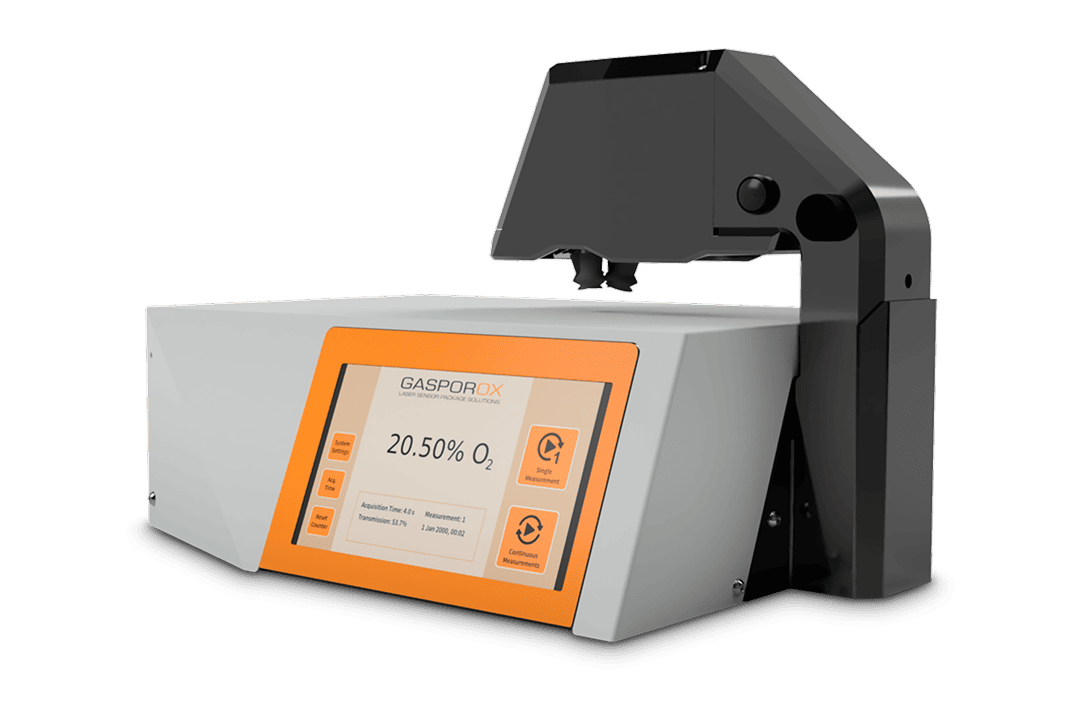
GPX1500 Film Food
A non-destructive testing instrument for oxygen and carbon dioxide analysis in flexible film food packaging using modified atmosphere packaging, supporting fast, accurate headspace analysis for quality control and research.
In-line systems
- NPerform continuous testing at full production speed
- NEnable high-frequency or 100& inspection
- NDetect deviations instantly and reduce waste
- NMinimise manual handling and operator dependency
- NSeamlessly integrate with existing production lines