

Stability studies
Long term evaluation of product and packaging performance during storage
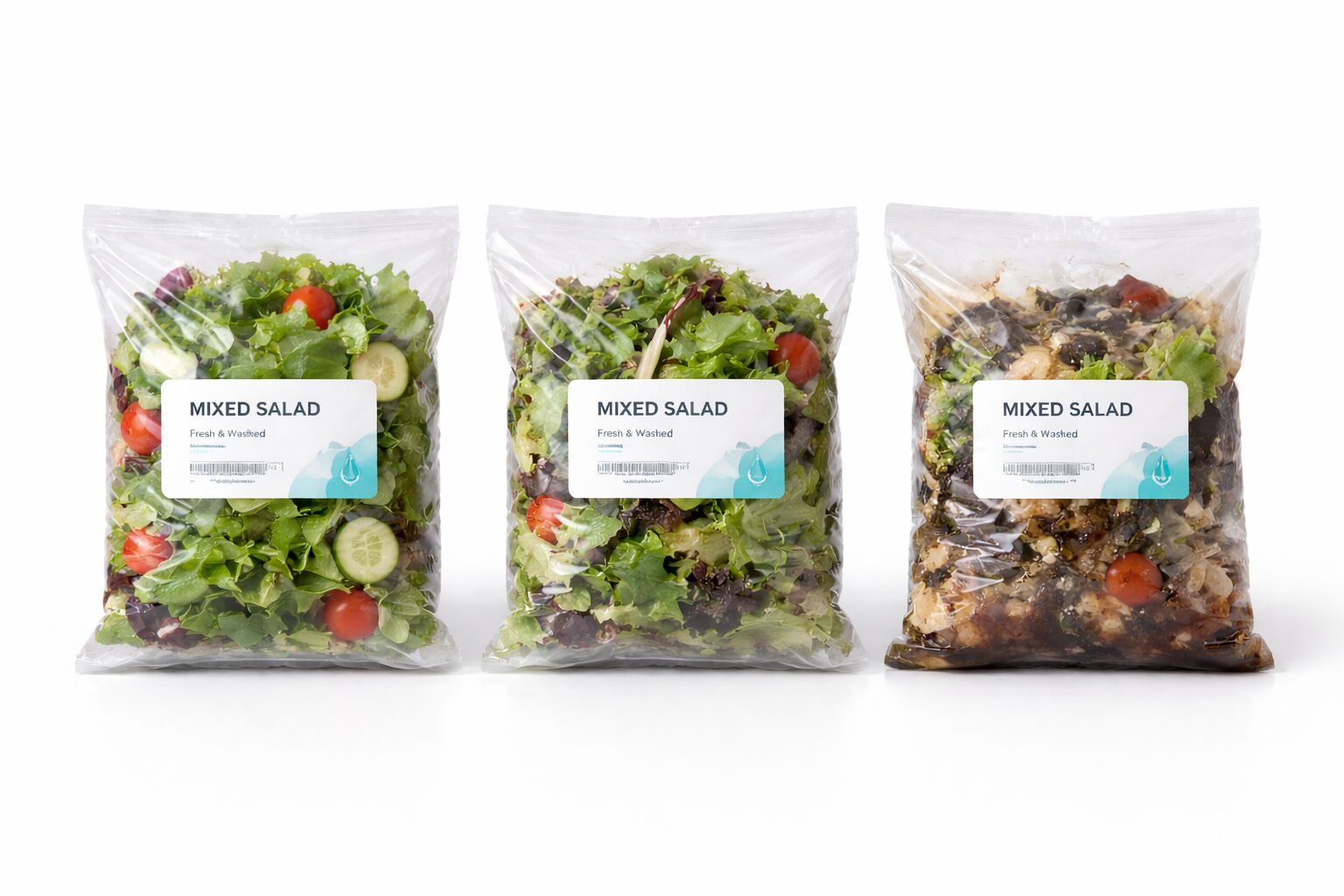
Stability studies provide detailed insight into how packaged products and their packaging systems behave over time by monitoring changes in headspace gas composition, pressure, and package integrity at defined intervals. The service supports shelf life determination, packaging selection, and long term performance verification for sealed products across regulated and non-regulated industries.
What are stability studies?
Stability studies are structured laboratory analyses in which the same product and packaging configuration is evaluated repeatedly over an extended period of storage. The purpose of the study is to understand how interactions between the product, the internal atmosphere, and the packaging material develop over time and how these changes affect product quality, safety, and package integrity with the focus being on the headspace gas.
Unlike single time point testing, stability studies generate longitudinal data that reveal trends, gradual changes, and emerging risks that may not be visible during short term or end of line testing. This makes stability studies particularly valuable when defining shelf life, validating packaging concepts, or investigating long term gas behaviour.
All measurements are performed using non-destructive laser based headspace analysis to measure gas and pressure. Packages remain sealed and intact throughout the study, allowing the same individual containers to be measured at multiple time points without altering the internal environment.
What is evaluated?
Stability studies integrate multiple measurement parameters to provide a comprehensive view of how both the product and packaging perform during storage.
Headspace gas composition
Measurement of oxygen and or carbon dioxide concentration at predefined checkpoints allows evaluation of residual oxygen levels, gas ingress, gas consumption, or gas generation over time. These measurements are essential for understanding the stability of modified atmosphere packaging, oxygen sensitive products, and products with active gas exchange.
Gas composition data can be used to identify:
- Gradual oxygen ingress through packaging materials or seals
- Product driven oxygen consumption or carbon dioxide release
- Loss of modified atmosphere effectiveness during storage
- Differences in gas behaviour between packaging formats or materials
Pressure behaviour
Total and partial package pressure measurements provide insight into how the internal pressure of a sealed container changes during storage. Pressure trends can indicate gas evolution, gas loss, temperature related effects, or interactions between the product and the headspace.
Monitoring pressure behaviour over time supports:
- Detection of slow leaks or seal degradation
- Evaluation of package robustness under extended storage
- Assessment of pressure stability for carbonated or gas flushed products
- Correlation of pressure changes with gas composition trends
Integrity behaviour during extended storage
By combining gas and pressure data across multiple time points, stability studies support indirect evaluation of package integrity performance over time. Changes in headspace conditions may indicate gradual loss of integrity that does not result in immediate failure but can impact shelf life and product quality.
This approach is particularly useful when evaluating packaging performance under long term ambient, chilled, or accelerated storage conditions.
Trend based analysis
The primary outcome of a stability study is trend data rather than pass or fail results. Results are evaluated across time points to identify:
- Onset of gas instability
- Rate of change in gas composition or pressure
- Differences between batches or production runs
- Variability between individual containers within the same batch

Study design and customisation
Each stability study is designed in close collaboration with you to ensure that the generated data directly support your technical and commercial objectives. There is no fixed study template. Instead, the study structure is defined based on the specific application.
Key elements used to define the study include:
- Packaging format, such as flexible packaging, rigid containers, bottles, or trays
- Packaging material and barrier properties
- Product characteristics, including expected gas consumption or generation
- Customer objectives for oxygen, carbon dioxide, and pressure evaluation
- Storage conditions, including ambient, chilled, frozen, or accelerated environments
- Measurement time points and total study duration
- Sample size, batch selection, and statistical considerations
Studies may focus on a single product and packaging configuration or include comparisons across multiple packaging designs, materials, or suppliers.
Common uses
Stability studies are commonly used in both development and production environments to support data driven decision making. Common use cases include:
Shelf life determination and verification
Stability studies generate time based gas and pressure data that support the definition and verification of realistic shelf life limits for sealed products.
Validation of modified atmosphere packaging performance over time
The study confirms whether target oxygen and carbon dioxide levels are maintained throughout storage and identifies when modified atmosphere conditions begin to degrade.
Comparison of alternative packaging materials or structures
Stability studies enable direct comparison of gas retention, pressure stability, and integrity behaviour across different packaging materials or designs under identical storage conditions.
Selection of packaging formats for oxygen sensitive or gas active products
Long term trend data helps identify packaging formats that provide sufficient barrier and integrity performance for products that consume, generate, or react with headspace gases.
Investigation of unexpected gas or pressure changes during storage
Repeated measurements over time allow root cause investigation of unexplained shifts in gas composition or pressure observed during distribution or storage.
Support for packaging change control and requalification activities
Stability studies provide objective, comparative data to support packaging changes and requalification by demonstrating equivalent or improved long term performance.
Customer insight
These trials have provided valuable insights into the performance of different packaging materials and will guide Vergeer Holland in selecting the best recyclable packaging solutions for our products.
Benefits of non-destructive stability testing
Non-destructive testing is fundamental to the value of stability studies. Because packages remain sealed, the same individual containers can be followed throughout the entire study period. Key benefits include:
- Preservation of product and package integrity during testing
- Ability to track true longitudinal behaviour of individual units
- Reduced sample consumption compared with destructive testing approaches
- More representative data for real world storage conditions
- Lower overall study cost when product value or sample availability is limited
Who are stability studies for?

Pharmaceutical manufacturers and developers

Food producers and contract manufacturers

Beverage producers and bottlers
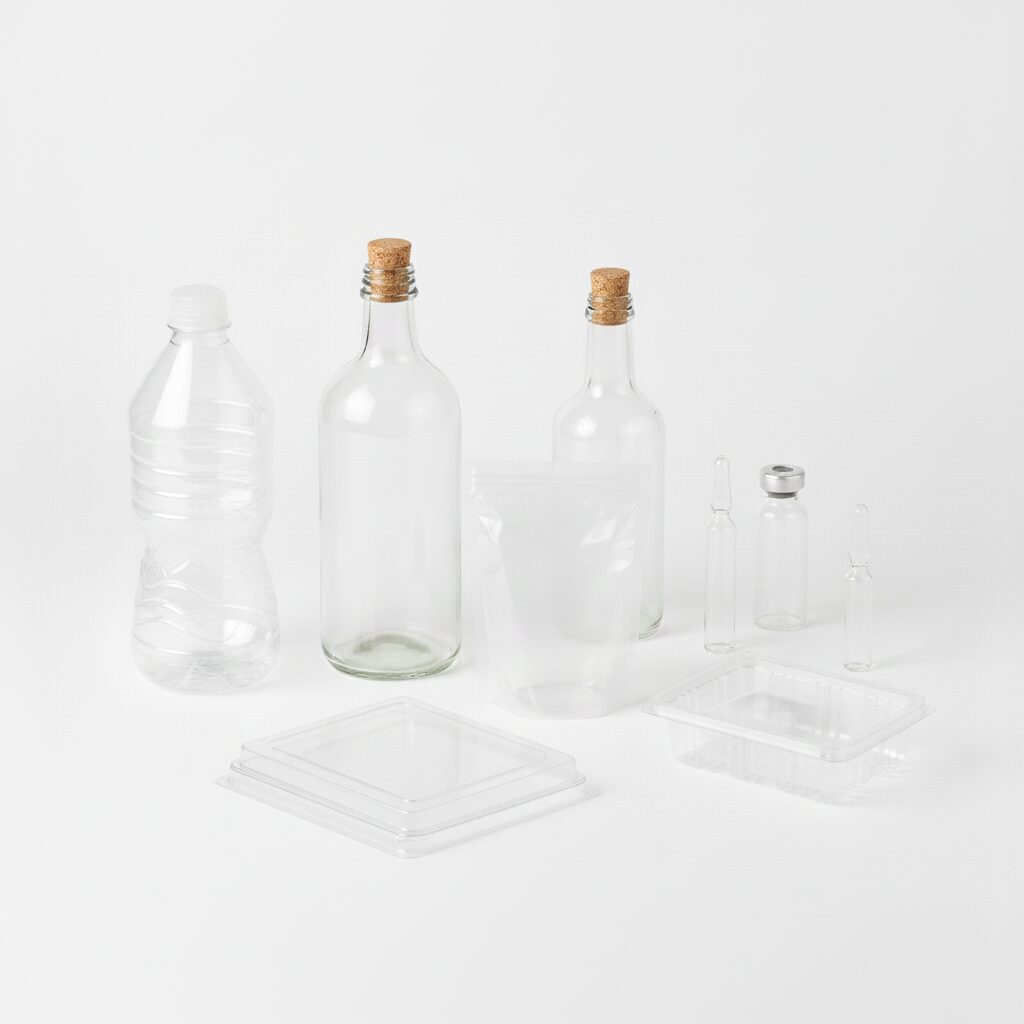
Packaging development and material supply
Types of organisations
Stability studies are suitable for:
- Manufacturers defining or validating product shelf life
- Research and development teams evaluating packaging concepts
- Quality and packaging engineers investigating long term performance
- Laboratories supporting qualification, validation, or investigation activities
Packaging and product types
Stability studies can be applied to:
- Modified atmosphere packaged products
- Bottled and sealed containers
- Flexible and rigid packaging formats
- Products with gas sensitive or gas active behaviour
What’s included
Stability studies provide clearly defined deliverables focused on long term performance evaluation and decision support. As a part of a stability study you will receive:
- Non-destructive measurement execution – Repeated oxygen, carbon dioxide, and pressure measurements performed on sealed packages without opening or altering the containers.
- Multi-parameter datasets – Quantitative gas composition and pressure results collected for each sample at every defined time point throughout the study.
- Trend based analysis – Evaluation of how gas composition, pressure, and integrity related indicators change over time under defined storage conditions.
- Comparative evaluations – Comparison of results across batches, packaging formats, materials, or storage conditions were included in the study scope.
- Structured test report – A written report describing the study design, measurement setup, and consolidated results in a clear and traceable format.
Contact us to define a stability study tailored to your product, packaging, and storage conditions.
Technology
The AutoMAP™ Pharma optical gas sensors are built on more than 25 years of development and refinement in industrial laser-based gas measurement. The system uses Tunable Diode Laser Absorption Spectroscopy (TDLAS), a highly reliable and precise method for non-destructive headspace gas analysis.
Developed by Gasporox in collaboration with its technology partners, this laser sensor technology is widely used in demanding industries such as pharmaceuticals, petrochemicals, and energy.
Gasporox’s laser-based headspace analysis has been successfully deployed for over a decade in pharmaceutical manufacturing. It is integrated into fully automated inspection systems and benchtop instruments for 100% in-line and laboratory testing of vials, ampoules, and other parenteral packaging formats. The performance and robustness of the system have been validated through extensive real-world use.